

Crane
Mobile Crane vs Tower Crane Insurance: What’s the Difference?
 27 January 2026
 6 min read
Crane operations come with high risk and high value, so getting the right insurance matters. But not all cranes are covered the same way. If you operate mobile cranes or tower cranes, you’ll need tailored policies that reflect their different usage, transport, and liability exposures.
This guide explains the key differences between mobile crane and tower crane insurance so you can make informed decisions for your business.
What Is Mobile Crane Insurance?
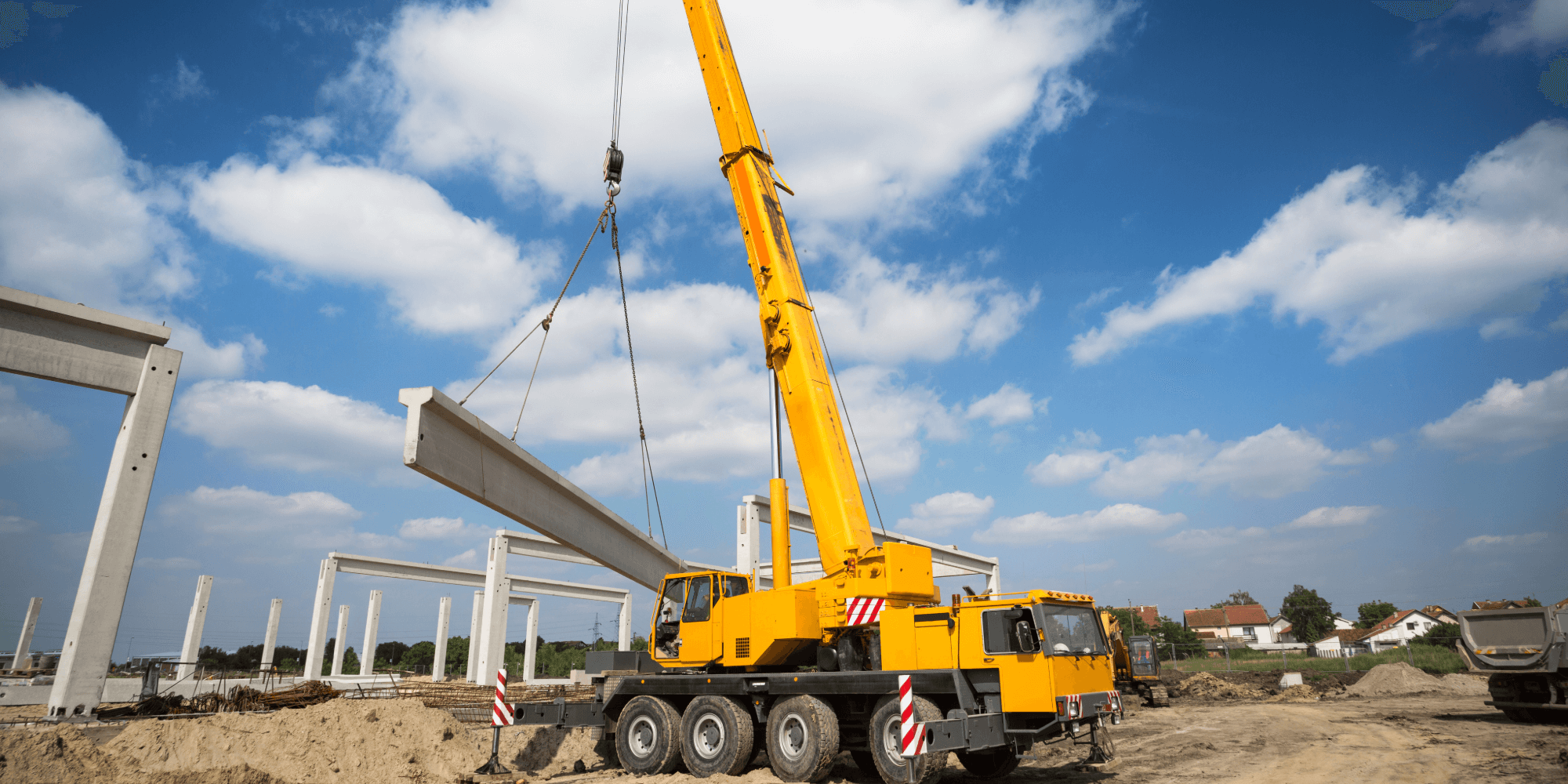
Mobile cranes are mounted on wheels or tracks and can be driven or transported between sites. They’re often used in lifting operations for construction, utilities, infrastructure and logistics.
Mobile crane insurance typically includes:
Accidental damage, fire, theft or vandalism
Road risk cover (if used on public highways)
Hired-in crane protection (if operating under CPA terms)
Operator negligence
Third-party damage or injury caused by crane use
Because mobile cranes are often road-registered, they require motor insurance in addition to plant cover.
What Is Tower Crane Insurance?
Tower cranes are fixed in place, usually for longer-term construction projects like high-rise developments. They are erected on-site and remain static until dismantled.
Tower crane insurance typically includes:
Cover for structural collapse or accidental damage
Weather damage (wind, lightning, etc.)
Theft of parts or vandalism during site downtime
Lifting operations liability
Optional: erection/dismantling risk cover
Since tower cranes are not road-going, they do not require road risk insurance but may need specialist cover for set-up and breakdown.
Key Differences Between the Two
| Feature | Mobile Crane Insurance | Tower Crane Insurance |
|---|---|---|
Mobility | Moves between sites, road-registered | Fixed on-site during construction |
Motor Insurance | Required for road use | Not required |
Typical Use | Utility, logistics, mobile lifting | High-rise or long-term builds |
Setup | Self-contained | Erected/dismantled on site |
Additional Risks | Road accidents, hire charges | Structural collapse, wind damage |
What About CPA Crane Hire?
If you hire cranes under CPA (Construction Plant-hire Association) terms, you are often responsible for:
Damage or loss while in your care
Liability for damage caused during operations
Continuing hire charges if the crane is unusable
Make sure your policy specifically includes CPA cover for both mobile and tower cranes, especially if you don’t own the equipment.
Common Mistakes to Avoid
Assuming one policy fits all: Tower and mobile cranes need different policy wording and risk assessments.
Not disclosing road use: If your mobile crane goes on public highways, road risk cover is legally required.
Underinsuring hired cranes: Hired-in cranes often exceed £250,000+ in value, make sure your policy limit reflects this.
Final Thoughts
Both mobile and tower cranes require bespoke insurance that matches their structure, movement, and usage. Whether you’re hiring under CPA or operating your own fleet, a specialist broker can help secure cover that protects your machinery and your liability.