

Help & Guidance
Electric Car Statistics UK: The Latest Facts and Figures for 2026
 29 July 2020
 4 min read
Electric cars have become an increasingly common sight on UK roads. Improvements in battery technology, a growing choice of models and investment in charging infrastructure have helped make electric vehicles (EVs) a more realistic option for many drivers.
But how quickly is the UK making the switch to electric cars? Are charging points keeping up with demand? And how much progress has been made towards the government's plans to phase out new petrol and diesel cars?
We've gathered the latest electric car statistics for 2026 to explore how the UK EV market is changing.
How Many Electric Cars Are There in the UK?
Electric car ownership has grown significantly over recent years.
According to the Department for Transport (DfT), there were approximately 1.74 million licensed zero-emission cars in the UK at the end of 2025. This represented an increase of 35% compared with the previous year.
The number of new electric car registrations has also continued to rise.
Figures from the Society of Motor Manufacturers and Traders (SMMT) show that:
473,348 new battery electric cars were registered in 2025.
Battery electric vehicles (BEVs) accounted for 23.4% of new car registrations.
New BEV registrations increased by 23.9% compared with 2024.
More recent figures show that 503,805 new battery electric cars had been registered between January and October 2026. This represented 26.6% of all new car registrations during that period.
These figures demonstrate how quickly the electric car market is expanding, although petrol and hybrid vehicles still account for a significant proportion of new registrations.
What Types of Electric Vehicles Are Popular in the UK?
Not all electric vehicles work in the same way. There are three main types of electrified cars available to UK drivers.
1. Battery Electric Vehicles (BEVs)
Battery electric vehicles run entirely on electricity. They have no petrol or diesel engine and rely on rechargeable batteries to power an electric motor.
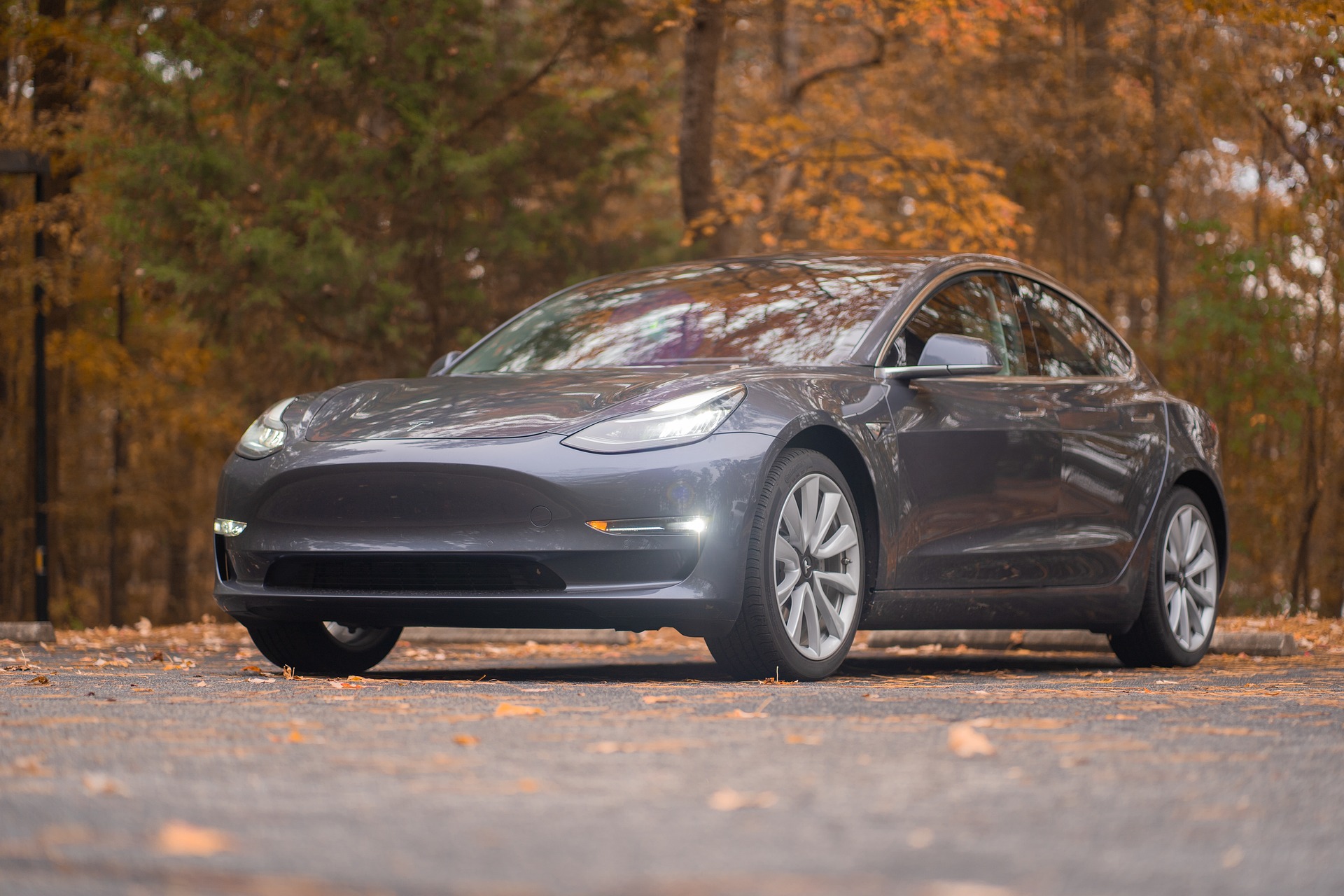
Examples include the Tesla Model 3, Nissan LEAF and Kia EV3.
BEVs produce no tailpipe emissions while driving, although electricity generation and vehicle manufacturing can still produce emissions.
2. Plug-in Hybrid Electric Vehicles (PHEVs)
Plug-in hybrid vehicles combine a rechargeable battery with a conventional petrol or diesel engine.
Drivers can complete shorter journeys using electric power before switching to the combustion engine when the battery runs low.
They can appeal to drivers who want some electric driving capability without relying entirely on public charging infrastructure.
3. Hybrid Electric Vehicles (HEVs)
Standard hybrid vehicles combine a petrol or diesel engine with an electric motor.
Unlike plug-in hybrids, they cannot be connected to an external charging point. Instead, they recharge their smaller batteries through regenerative braking and the engine.
It is important to distinguish between these categories when looking at EV statistics. Standard hybrids are electrified vehicles, but they are not plug-in electric cars.
How Many EV Charging Points Are There in the UK?
Charging infrastructure has expanded alongside electric car ownership.
According to the Department for Transport's July 2026 charging infrastructure statistics, the UK had:
121,171 publicly available EV chargers.
28,887 rapid or ultra-rapid chargers rated at 50kW or above.
174.9 public chargers per 100,000 people.
The figures also showed that one public charger was available for every 17 battery electric vehicles, based on vehicle numbers at April 2026.
However, charging infrastructure is not distributed evenly across the country.
For example, London had 345.1 public chargers per 100,000 people, while the North West had 112.1.
This means access to public charging can vary considerably depending on where you live.
For drivers without off-street parking, access to reliable public charging remains an important consideration when deciding whether to purchase an electric car.
Are Electric Cars Becoming More Affordable?
Purchase price remains one of the biggest considerations for people thinking about switching to an electric vehicle.
However, government support is helping to reduce the upfront cost of some new electric cars.
The Electric Car Grant, introduced in July 2025, offers discounts on eligible new electric vehicles priced at £37,000 or less.
There are two grant levels:
Band 1: Up to £3,750 off an eligible vehicle.
Band 2: Up to £1,500 off an eligible vehicle.
The discount is applied by the dealership, so buyers do not need to submit a separate grant application.
The growing second-hand EV market also gives drivers more opportunities to purchase electric cars at lower prices.
However, buyers should consider the vehicle's battery condition, remaining warranty, charging capability and expected depreciation before purchasing.
How Far Can Electric Cars Travel on One Charge?
Driving range has traditionally been one of the biggest concerns for potential EV owners.
However, modern electric cars offer a much wider choice of battery sizes and driving ranges than earlier models.
Some smaller electric vehicles are designed primarily for shorter journeys, while larger models can offer official WLTP ranges of more than 300 miles.
The actual distance you can travel will depend on several factors, including:
Battery size and condition.
Driving speed and acceleration.
Outside temperature.
Heating and air conditioning use.
Road conditions and terrain.
Vehicle weight and passenger load.
It is also worth remembering that manufacturers' advertised WLTP ranges are laboratory-based figures. Real-world driving ranges can be lower, particularly during colder weather or motorway journeys.
Before buying an electric car, consider your typical weekly mileage and whether the vehicle's real-world range will comfortably cover your regular journeys.
What Is the Future of Electric Cars in the UK?
The UK government's transition towards electric vehicles is continuing, supported by the Zero Emission Vehicle (ZEV) Mandate.
The government has confirmed its intention to end sales of new cars powered solely by petrol or diesel from 2030.
However, this does not mean every new car sold after 2030 must be fully electric. Certain hybrid vehicles will still be permitted until 2035.
From 2035, all new cars and vans must be zero-emission at the tailpipe.
The ZEV Mandate also sets annual targets for manufacturers, requiring an increasing proportion of their new vehicle sales to be zero-emission.
Although the market is growing, affordability, charging availability and consumer confidence remain important challenges.
Does Electric Car Insurance Cost More?
Insurance is another important consideration when buying an electric vehicle.
Electric cars can sometimes cost more to insure than comparable petrol or diesel models. However, this is not always the case.
Insurers consider several factors when calculating premiums, including:
The vehicle's purchase and replacement value.
Repair costs and parts availability.
Battery replacement costs.
Vehicle performance and power.
Your driving history and location.
The level of cover you choose.
Some electric vehicles may have higher repair costs due to specialist components or the technology involved. However, premiums will vary between models and insurers.
It's worth comparing insurance quotes before purchasing an electric car so you can include the cost of cover in your overall budget.
Final Thoughts: Is the UK Ready for Electric Cars?
The latest figures show that electric vehicles are becoming an increasingly important part of the UK automotive market.
With more than 500,000 new battery electric cars registered in the first ten months of 2026 and over 121,000 public charging points available by July, the market has developed considerably.
However, there are still challenges to overcome. Purchase prices, regional differences in charging availability and the cost of vehicle insurance can all influence whether drivers feel ready to make the switch.
As technology develops and more models become available, electric cars are likely to play an increasingly important role in the future of UK motoring.
Looking to insure an electric car? At Insurance Revolution, we can help you explore car insurance options to suit your vehicle and circumstances. Find out more about our car insurance options.
Sources