

Commercial Property
From Empty Shops to Office Blocks: Why Vacant Commercial Properties Still Need Insurance
 4 August 2025
 6 min read
When a commercial property sits vacant, it may seem like there is less to insure. No tenants, no business operations, no customer footfall. Yet empty commercial properties carry real risks that can leave landlords financially exposed without the right protection in place.
We support landlords across the UK in arranging commercial landlord insurance that accounts for periods of vacancy, ensuring ongoing financial protection against unexpected events.
Why Vacant Commercial Properties Are Still at Risk
Even when unoccupied, properties can face a wide range of issues, including:
Fire or flood damage
Vandalism or theft
Property owners’ liability claims
For example, a broken window could cause injury to a passerby, or a leak left unnoticed could lead to major repairs. Standard landlord cover may have specific conditions once a property becomes vacant, so it is essential to check the type of cover in place.
What Commercial Landlord Insurance Is Designed to Cover
A typical commercial landlord insurance policy could include:
1. Buildings Insurance
This covers the cost of repairs or rebuilding following incidents like fire, storm, or escape of water. With no tenants present, response times for emergencies can be slower, so maintaining this level of cover is vital.
2. Property Owners’ Liability
If someone is injured on or near the property, such as slipping on icy steps or being hit by falling debris, property owners’ liability insurance can cover:
Legal actions
Compensation payouts
Medical costs
Without this protection, landlords could face personal liability for claims even if no business is operating from the premises.
3. Loss of Rent (Optional)
If the property was previously let and damage makes it uninhabitable, some policies could include loss of rent cover to help recover income.
Why Standard Cover May Change for Vacant Properties
Insurers often impose stricter terms when a property is left empty, including:
Reduced amount of cover after a set number of days vacant
Requirements for regular inspections
Switching off utilities or securing the premises
We help landlords review these conditions and ensure insurance offers remain valid when no tenant is present.
Common Insurance Mistakes with Empty Commercial Buildings
Some landlords may assume that cover can be cancelled during vacant periods. However, this could leave the building exposed to risks like:
Fire or arson
Storm damage
Break-ins or theft of fixtures
Leaving insurance in place helps to protect your business interests and maintain peace of mind, even between leases.
Which Properties Might Need This Type of Cover?
We assist with insurance for a wide range of commercial properties, including:
Retail shops and high street units
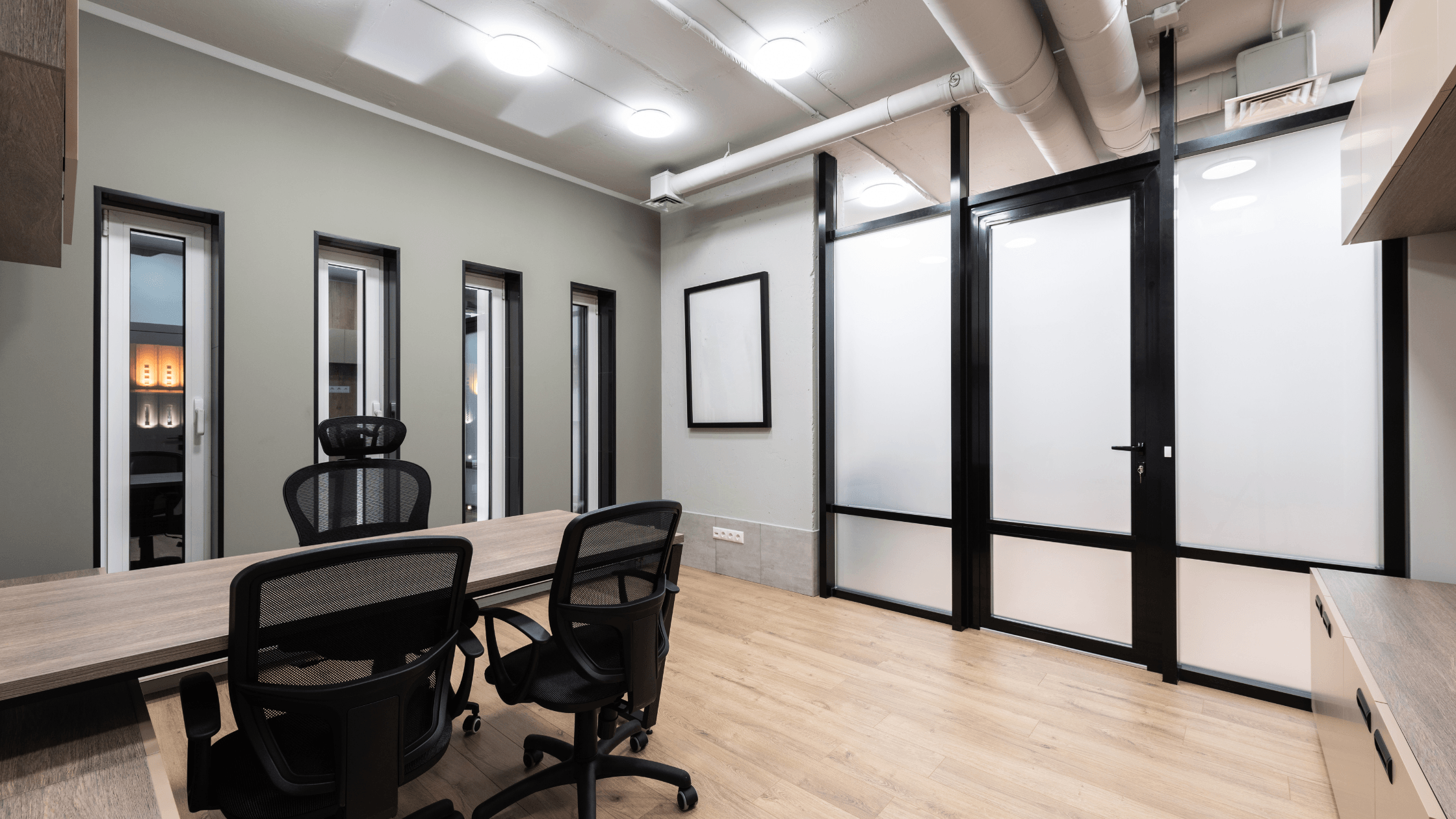
Office blocks and co-working spaces
Warehouses and storage facilities
Industrial units and workshops
Whether the vacancy is planned or unexpected, the need for protection remains.